
What To Do After a Car Accident in Georgia
A car accident can leave you shaken, confused, and unsure what to do next. Even crashes that seem minor at first can turn into something more serious once injuries, insurance claims, and vehicle damage come into play.
The steps you take after a car accident in Georgia can protect both your health and your legal rights. Below is a practical, Georgia-specific guide to help you avoid common mistakes and put yourself in the strongest position moving forward.
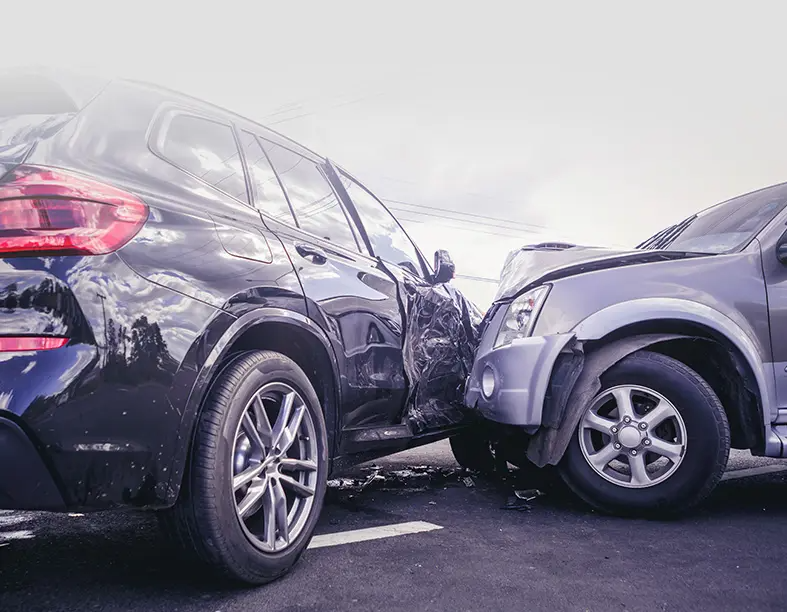
Your first priority after any car accident is safety.
If anyone is injured — even if the injuries seem minor — call 911 immediately. In Georgia, law enforcement should be notified of accidents involving injuries, fatalities, or significant property damage.
If it is safe to do so:
- Move vehicles out of traffic to prevent further collisions
- Turn on hazard lights
- Stay at the scene until police arrive
Avoid arguing about fault at the scene. Anything said in the heat of the moment can be misunderstood later.
2. Get Medical Attention as Soon as Possible
Even if you feel “okay,” seek medical care promptly.
Many common car accident injuries — including whiplash, back injuries, concussions, and internal injuries — do not always cause immediate symptoms. It is common for pain and stiffness to appear hours or even days later.
From a legal and insurance standpoint, delays in treatment can:
- Make injuries harder to diagnose
- Allow insurers to argue your injuries weren’t caused by the crash
- Reduce the value of a legitimate claim
If emergency care isn’t required, schedule an evaluation with a doctor as soon as possible after the accident.
3. Exchange Information — But Keep It Minimal
Georgia drivers are required to exchange certain information after an accident. This includes:
- Names and contact information
- Driver’s license numbers
- Insurance information
- Vehicle details
Stick to the facts. Do not:
- Admit fault
- Apologize in a way that could be interpreted as accepting blame
- Speculate about what caused the crash
Fault is often determined later, after evidence is reviewed.
4. Document the Scene and Gather Evidence
If you are physically able, gather as much information as possible at the scene.
Helpful evidence includes:
- Photos of vehicle damage from multiple angles
- Photos of the accident scene, road conditions, traffic signs, and skid marks
- Contact information for witnesses
- The responding officer’s name and police report number
This information can be critical if there is a dispute about what happened.
5. Report the Accident to Your Insurance Company
Most auto insurance policies require timely notice of an accident. Report the crash to your insurer, even if you believe the other driver was at fault.
- When speaking with insurance representatives:
- Provide basic facts only
- Do not guess or speculate
- Avoid recorded statements until you understand your rights
Insurance companies often begin evaluating claims immediately, and early statements can be used later to challenge injuries or liability.
6. Be Careful With the Other Driver’s Insurance Company
The other driver’s insurance company does not represent your interests.
You may be contacted quickly and asked to:
- Give a recorded statement
- Sign medical authorizations
- Accept an early settlement
These requests often benefit the insurer, not you. Early settlement offers frequently come before the full extent of injuries or future medical needs is known.
Once a claim is settled, it usually cannot be reopened.
7. Follow Through With Medical Treatment
Consistent medical care is important for both recovery and documentation.
Follow your doctor’s recommendations and attend all appointments. Gaps in treatment can:
- Slow healing
- Be used by insurers to argue your injuries aren’t serious
- Reduce compensation for pain, suffering, and future care
Keep records of:
- Medical visits
- Prescriptions
- Physical therapy
- Out-of-pocket expenses related to the accident
8. Avoid Social Media and Casual Conversations About the Accident
Insurance companies often review social media during claims investigations.
Posts, photos, or comments taken out of context can be used to argue that:
- Injuries aren’t as serious as claimed
- Pain levels are exaggerated
- Recovery is complete
It’s best to avoid discussing the accident publicly while a claim is pending.
9. Understand That Some Injuries and Claims Take Time
Many people assume they need to decide immediately whether to pursue a claim. In reality, serious injury cases often develop over time.
Rushing decisions before:
- Medical treatment is complete
- Long-term effects are understood
- All insurance coverage is identified
can lead to permanent financial consequences.
When Legal Guidance May Be Helpful
Not every accident requires a lawyer. However, legal guidance can be especially helpful when:
- Injuries are serious or ongoing
- Fault is disputed
- The other driver is uninsured or underinsured
- You are being pressured to settle quickly
- An insurance company minimizes or denies your claim
Speaking with a lawyer early can help you avoid mistakes that are difficult — or impossible — to fix later.
Your Questions, Answered
-
How long do I have to take action after a car accident in Georgia?Georgia law limits how long you have to pursue a claim. Waiting too long can jeopardize your ability to recover compensation.
-
Should I give a recorded statement to an insurance adjuster?
You are generally not required to give a recorded statement to the other driver’s insurer. Doing so without understanding the implications can harm your claim.
-
What if I didn’t feel injured at the scene?
It’s common for symptoms to appear later. Seek medical care as soon as symptoms arise and document everything.