
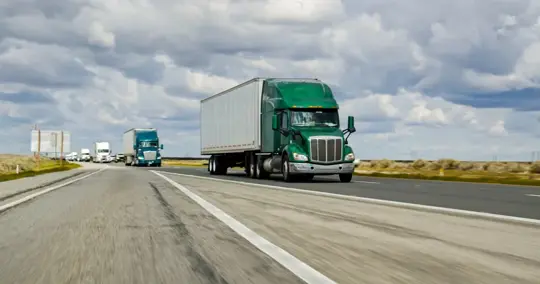
When a commercial truck collides with your vehicle, the impact can be devastating. Victims can face serious injuries, overwhelming medical bills, lost wages, and long-term recovery challenges. After such a traumatic event, one of the first questions many people ask is: Can the trucking company be held responsible when their driver causes a crash?
The short answer is: Yes — in many cases, the trucking company can be held legally accountable for the actions of its driver. But understanding how this works and what it takes to pursue justice requires a careful look at liability, federal regulations, and the legal process.
Understanding Liability in Trucking Accidents
Under personal injury law, an employer can be responsible for the negligent acts of its employees when those acts occur within the scope of employment. In trucking cases, this doctrine is known as vicarious liability or respondeat superior. If the truck driver was working — making deliveries, transporting goods, or otherwise performing job duties — when the collision occurred, the trucking company itself may be liable for damages.
But commercial truck cases often involve a second layer of accountability: the company may also be directly liable if its own practices contributed to the crash. Examples include:
- Hiring an unqualified driver with a poor safety record
- Failing to conduct proper safety training
- Ignoring required drug and alcohol testing
- Pressuring drivers to exceed legal hours of service
- Neglecting proper maintenance of the truck
Federal regulations under the Federal Motor Carrier Safety Administration (FMCSA) set strict standards for commercial driving, and violations of these standards can form a basis for legal liability in addition to driver negligence.
Why Trucking Cases Are Different
Trucking accident claims are more complex than ordinary car accident cases because they involve multiple layers of responsibility and a web of federal rules. These include:
1. Federal Hours-of-Service Rules:
Truck drivers are required to follow hours-of-service regulations to prevent fatigue-related crashes. Companies that coerce drivers into violating these rules may bear responsibility.
2. Maintenance Requirements:
Carriers must inspect and maintain their vehicles to meet strict safety standards. Brake failures, tire blowouts, or mechanical defects that could have been prevented through regular maintenance can point to company negligence.
3. Log Books and Electronic Logging Devices (ELDs):
Paper logs or ELD records can be critical evidence. Discrepancies may suggest a company encouraged falsification to avoid compliance checks.
4. Multiple Potential Defendants:
In addition to the truck driver and employer, cases can involve leasing companies, freight brokers, or parts manufacturers if defective components contributed to the crash.
Because of these complexities, trucking claims require early investigation and experienced legal advocacy.
What Victims Need to Prove
To hold a trucking company accountable, a victim’s attorney must demonstrate:
- The driver was negligent, such as speeding, distracted driving, or failing to yield.
- The driver was acting within the scope of employment — meaning the company could reasonably foresee that the driver was performing duties during the crash.
- Company negligence or regulatory violations — showing the carrier failed in its duty to hire safely, enforce regulations, or maintain equipment.
Each of these elements requires careful evidence gathering — from police reports and witness statements to ELD logs and maintenance records.
The Importance of Skilled Legal Representation
Trucking companies and their insurers often employ aggressive defense strategies. They have resources and teams dedicated to minimizing payouts — especially in cases involving catastrophic injury. That’s why having a legal team with deep experience handling commercial vehicle claims is crucial.
Truck Accident Lawyers in Atlanta
At Van Sant Law, our team understands both the human toll of serious truck crashes and the legal complexities involved in holding negligent parties accountable. We are committed to pursuing full and fair compensation for our clients, including medical expenses, lost income, pain and suffering, and long-term care needs.
Whether through negotiation or litigation, we are prepared to stand up to insurance companies and trucking corporations on your behalf.
If you or a loved one has been injured in a collision involving a commercial truck, don’t wait to seek legal help. Contact Van Sant Law today at (800) 234-9556 for a free consultation and let our experienced team fight for the justice and compensation you deserve.