
How Deicing Materials Can Create Dangerous Driving Conditions
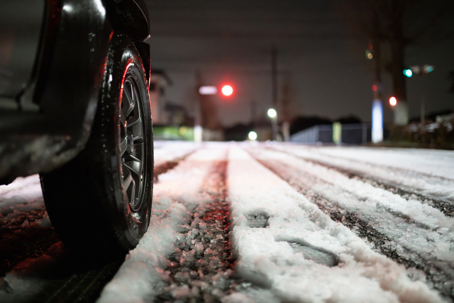
Georgia drivers often encounter icy roads during the winter months, especially in the early morning or late evening hours. Transportation crews rely on road salt and chemical deicers to keep roadways passable. While these materials are essential for reducing ice buildup, they don’t always make roads safer—in some cases, they may even contribute to dangerous collisions.
At Van Sant Law, we understand that not all winter accidents result from driver error. If road conditions caused by improper salting or the effects of deicers contributed to your crash, you may have legal options. Knowing what to look for after a winter accident can make all the difference.
The Hidden Hazards of Road Salt and Deicers
While road salt and liquid deicers like calcium chloride and magnesium chloride help break down ice, they don’t eliminate all risks. These materials can sometimes create unexpected hazards, especially when:
1. Roads Are Over-Treated or Under-Treated
Applying too much salt can lead to slick, slushy conditions that reduce tire traction. Applying too little can leave dangerous patches of black ice untouched. Inconsistent treatment can catch drivers off guard and cause vehicles to lose control.
2. Melting and Refreezing Occur
Salt and deicers lower the water's freezing point, but the melted snow and ice can refreeze when temperatures drop again overnight. This creates a thin, nearly invisible layer of black ice that poses a serious hazard—especially in shaded areas or on bridges and overpasses.
3. Deicers Mix Poorly with Precipitation
When road crews apply liquid deicers before a storm hits, the chemicals may mix with sleet or freezing rain, creating a slick film on the road surface. This can cause even cautious drivers to slide, hydroplane, or lose control during braking.
4. Visibility and Control Are Affected
Slushy roads and chemical spray can reduce visibility and make it harder for drivers to react in time. In some cases, the residue from road salt and deicers may also interfere with braking or vehicle sensors, especially on newer model cars.
Who May Be Liable After a Winter Weather Accident?
After a winter collision, it's important to determine what truly caused the accident. While driver negligence is often a factor, other parties could also be responsible. These may include:
- Municipalities or government agencies responsible for road treatment
- Contractors hired to apply salt or deicers
- Vehicle manufacturers, if faulty systems failed during winter conditions
Proving liability in a weather-related accident requires a detailed investigation. Our legal team at Van Sant Law knows how to gather critical evidence, consult experts, and hold the right parties accountable.
What To Do After a Winter Collision
If you’re involved in a crash where road conditions played a role, take the following steps:
- Call the police and report the accident
- Document the scene with photos or video, especially road conditions
- Seek medical attention, even if injuries seem minor
- Avoid admitting fault, as liability may be unclear
- Contact an experienced attorney as soon as possible
Time is critical in these cases. Road conditions change quickly; evidence may be lost within hours if not documented properly.
Car Accident Lawyers in Atlanta
At Van Sant Law, we help clients across Georgia navigate the legal aftermath of serious vehicle collisions—even those caused by poorly maintained winter roads. If you were injured in an accident where road salt or deicers may have played a role, we’re here to listen and help you understand your legal rights.
Contact us today at (800) 234-9556 for a free consultation. Let our team fight to get you the compensation you deserve.